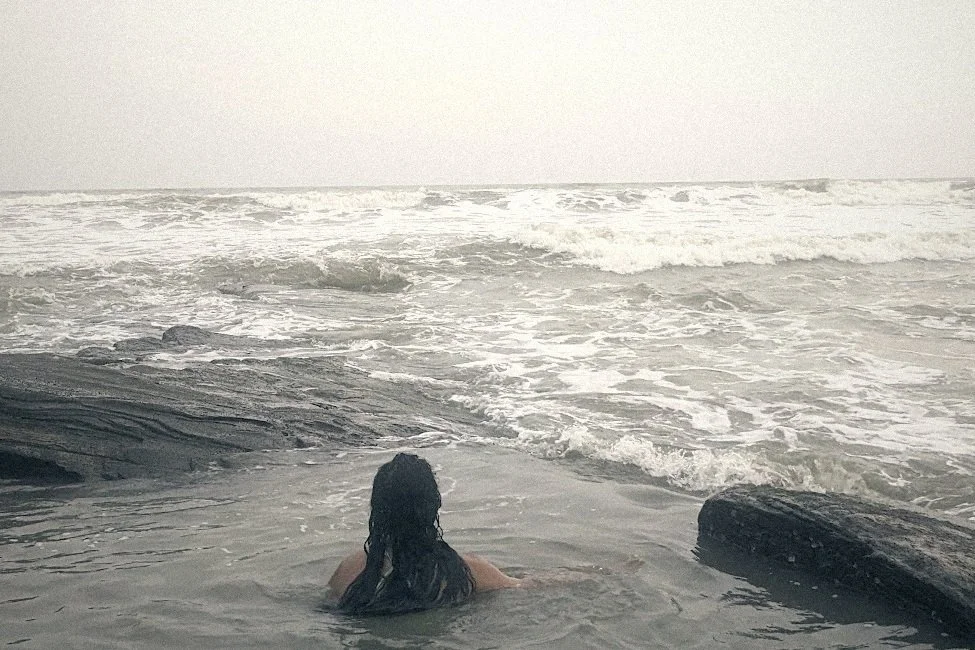
You are whose homes you go to?
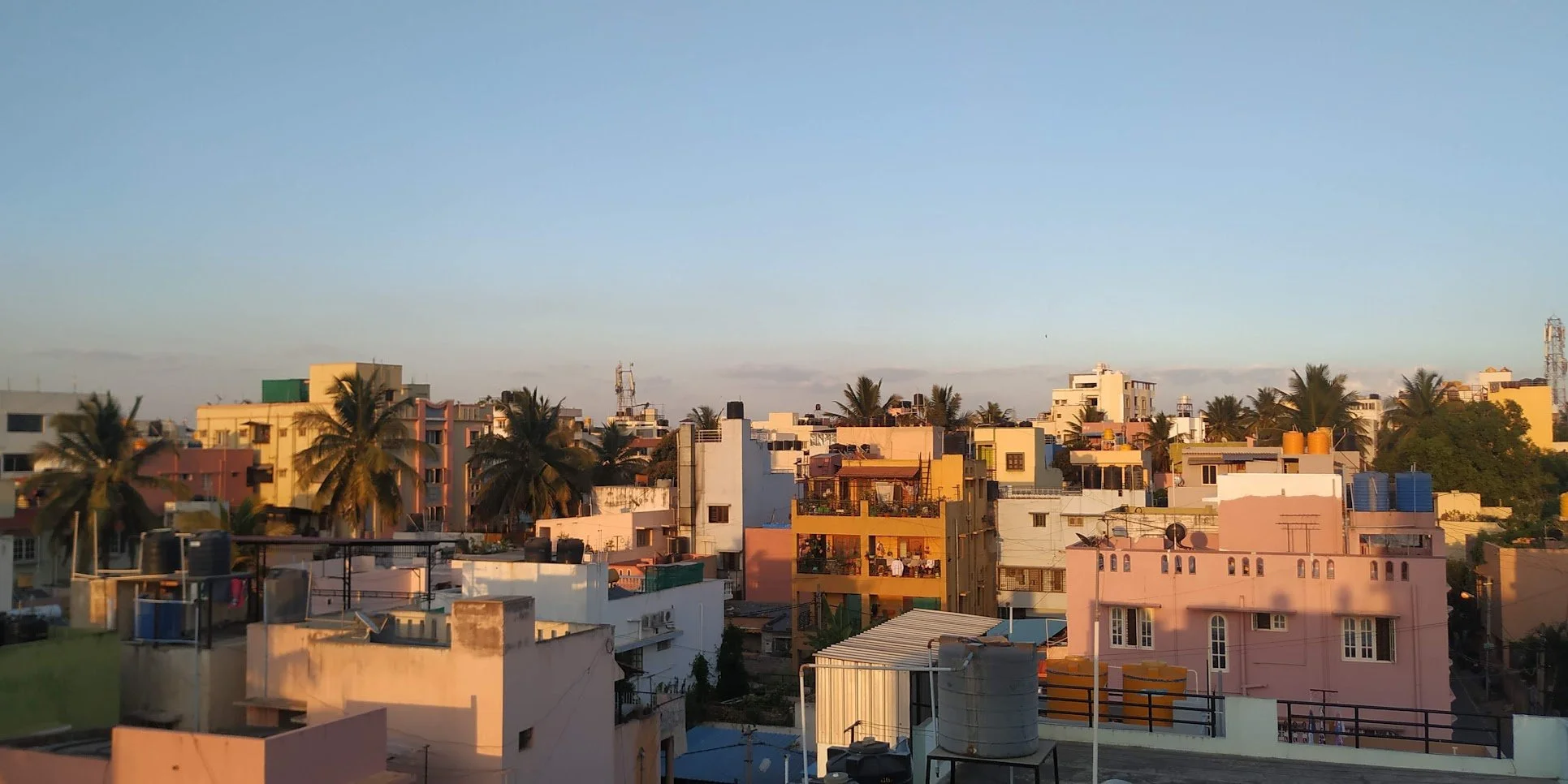
Someone recently called me local. The “placeness of you” they’d said.
I guess when you live in a neighbourhood long enough, you are the tree you visit, the cats you scritch, the roads you know your phone gets snatched at, the dog poop you avoid, the plants you count on pavements, the smells of old buildings, and the people you walk to and away from.
Eight years in my Bangalore neighbourhood now, and I finally understand why my parents never left their Bombay home.
I moved to my little neighbourhood in Bangalore for a non-tech, life-changing job. Which, by Bangalore standards is crazy. My good ol’ neighbourhood is now full of tiny workplaces and too many people, but during my touchdown, we hardly had 1 chai shop, let alone a revenue stream.
Rents were reasonable then, landlords surprisingly pre-psychotic. My first house was a dream. Me as a flatmate to my lovely two others, not so much. I had too much freedom, too much power, too much to process, and too little familiarity with personal space.
Bangalore can be a very isolating place without a clique. Miraculously, I started finding people who loved me within a few kilometres of my home, maybe, they found me, in a way that no neighbourhood in the vastness of Bombay ever offered.
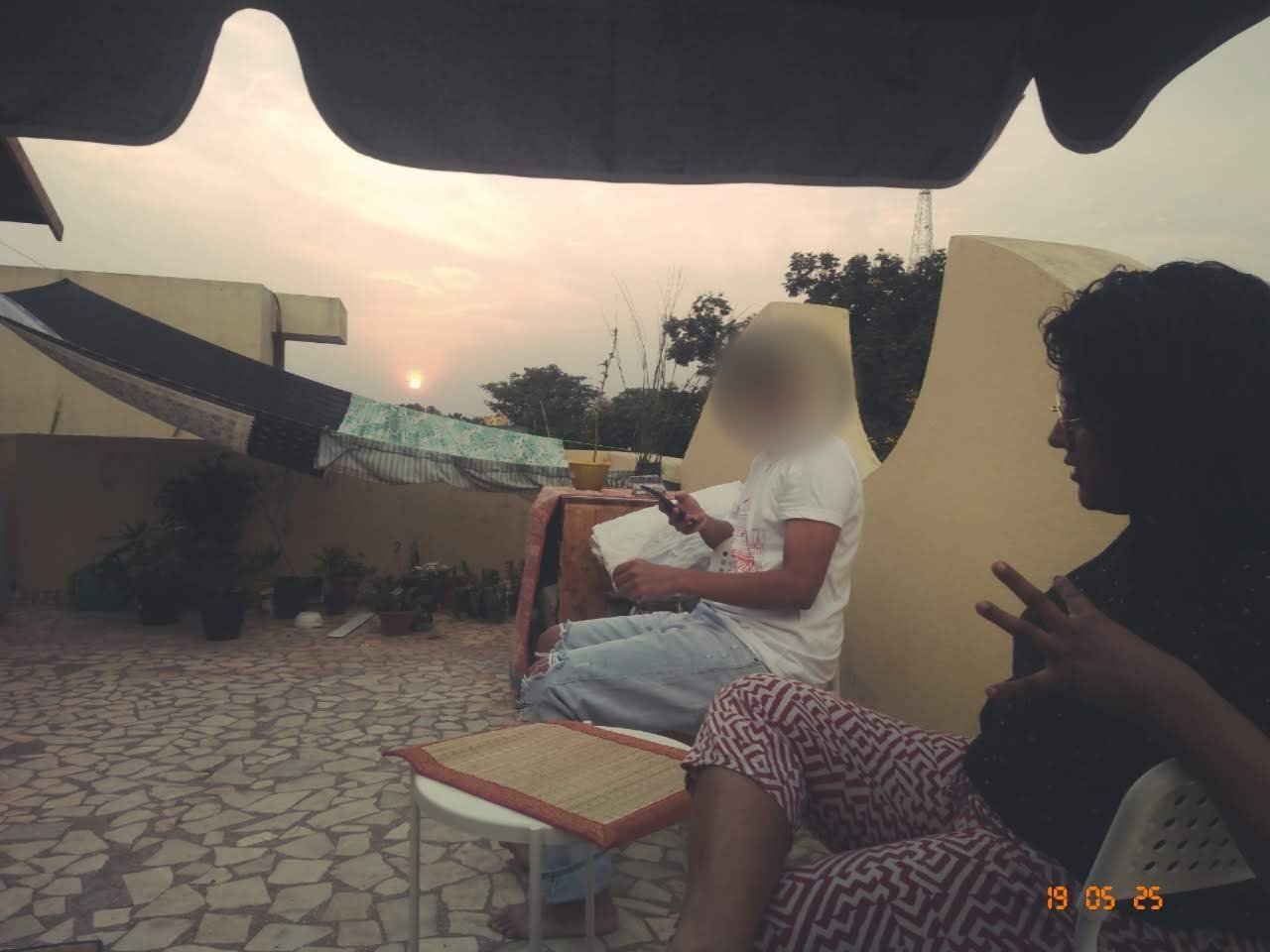
Bids for connection turned into friendships, friendships into partnerships, partnerships into let’s-grow-old-togethers.
Being a moss on the wall of a neighbourhood you swore you'd be buried in often comes with a rare but also sweepingly common comfort you come to rely on.
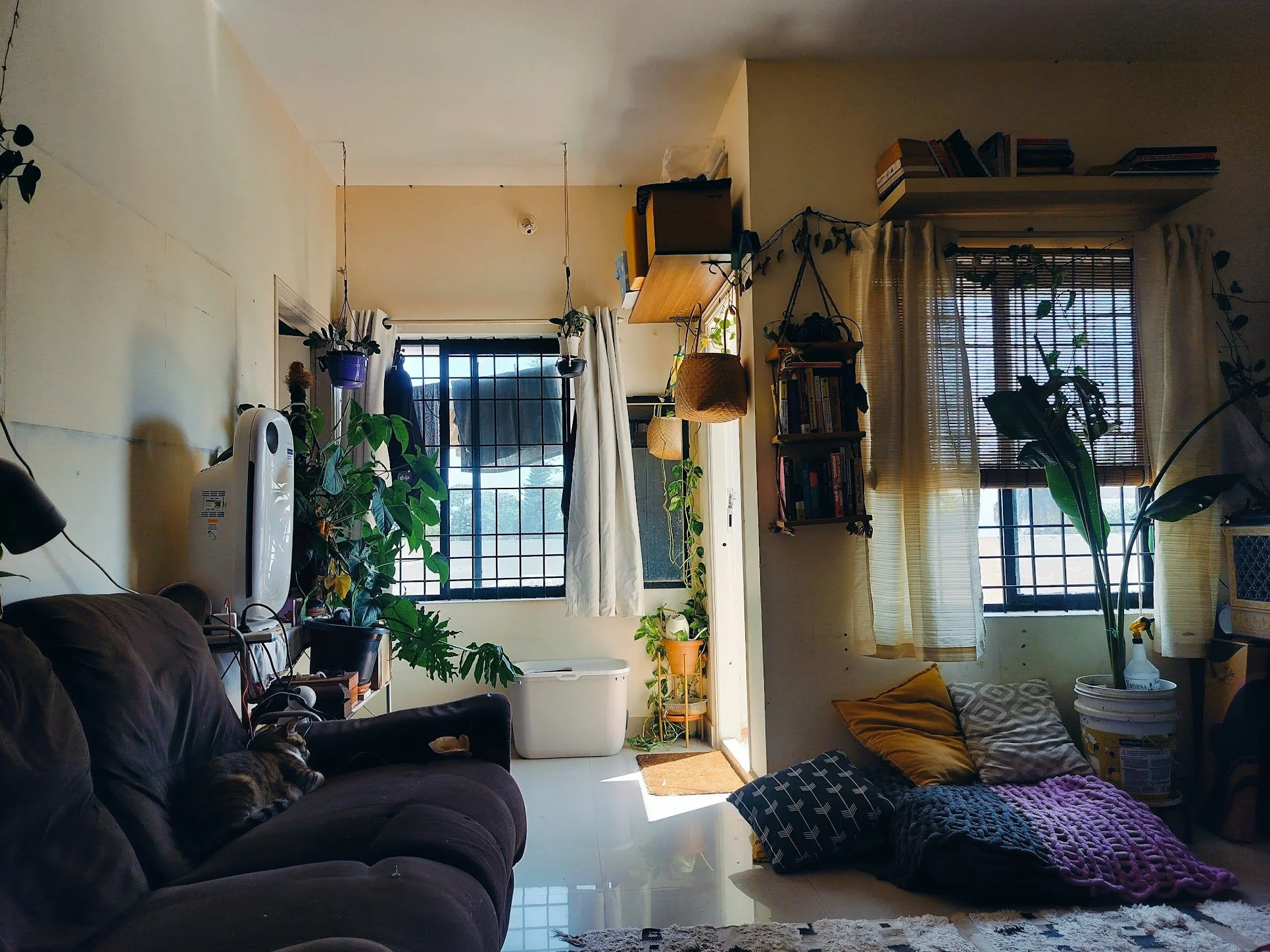
Houses. Homes. So many homes and its incumbent couches to plonk yourself into.
How often I visited somebody's home in Bangalore often determined the depth of what I shared with them. In a city that's too expensive to stay outdoors and too infrastructurally disappointing to walk around in, you find yourself—if you're someone with the privilege to do this—spending a good amount of time inside people's homes.
This also comes with a flipside when you take up too much space in someone’s home.
I grew up in a joint family in a one-room kitchen in a Dadar B.D.D chawl. I never learnt personal space, but I thought I'd outgrown the need to learn it when I moved out of Bombay. But the way my body plonked itself into a kitchen that wasn’t mine as though it were—often indicated that I had many lessons in boundaries ahead of me.
One belongs in a space when they take their rightful place in it, with the people who inhabit it. If I try to be my friend's partner, I won't find belonging in that friendship. If I try to be my mum's friend, I won't find belonging as her child.
I will only belong when I take my rightful place with them.
I find the same is true of space-taking and home-hopping. I often wonder if I cloak myself in the shape of other people’s homes because I'm afraid of losing my internal one.
A friend’s most intense belonging formed within the four walls of his friend’s home. So visceral was the house's presence in his life-building, that he cried when they sold some of their furniture.
When his belonging moved out of the neighbourhood, he avoided entering their street for a whole year. The other day, I mentioned their apartment name to him and he said, "That's vaguely familiar," and gasped the second he realised what had happened.
Not remembering their home hit worse than not remembering they used to be together.
To be able to go over to someone’s home for tea instead of the neighbourhood café is not a mere convenience, it is how bids for deeper connection meet consent.
For a while, I had the time to build a friendship with someone whose home had made room for me. I felt like I had another physical space in which my body took up space.
Now, as the shape of how we arrange ourselves in each other's orbits changes, my access to their home is in flux. And my body physically shrinks a few blocks down their street. Like I'm physically realising that my hands are a little smaller than I thought they were.
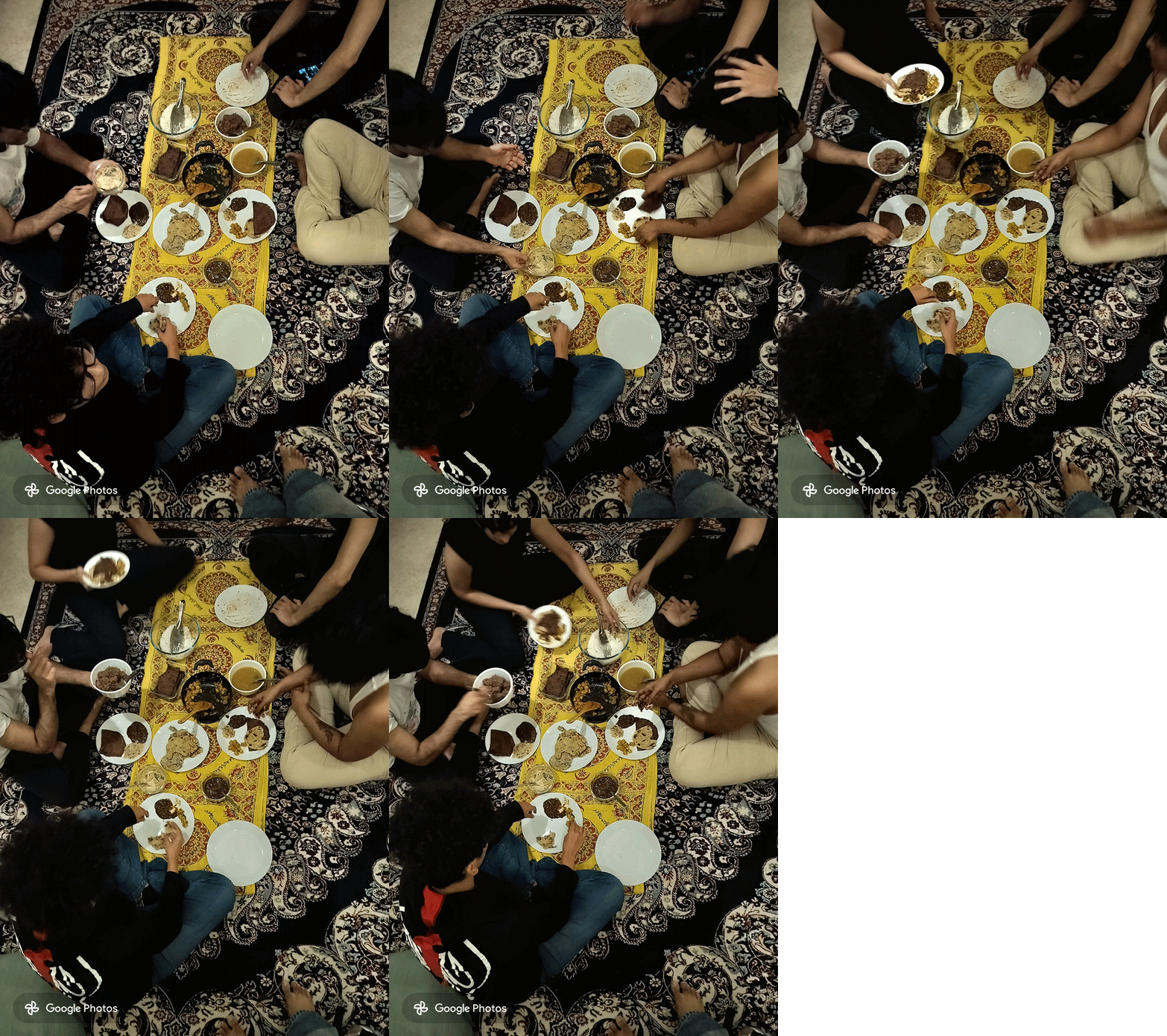
When you have lesser and lesser homes, so achingly familiar, the places you've built yourself in, your body shrinks to reflect your smaller geography.
You contract more often, hunch over, curl up.
Is it a coincidence that I have developed posture-induced spinal issues now?
The topography of shrinkage is an emotional one.
There will no doubt be new walls to attach parts of me to, in the “localness”, “placeness” of me. New streets nobody who left you ever lived in. New diners to try in the multiplication of capitalistic cells in your charming village.
But even the river billowing to the sea, creating new silt along the way, doesn't lose memory of the dried-up, barren tributaries it left behind.
It trembles in the shrunken geography of its many graves.